DOGE.
A chainsaw through government.
Elon Musk promised to cut $2 trillion. His teams gutted agencies, fired experienced staff and dismantled aid programs around the world. The savings were harder to find than the damage.
Jump to a section

A saving that never happened.
One of DOGE’s biggest receipts claimed a $1.7 billion saving on a Defense Health Agency IT contract. There was a problem: the contract had not been canceled. Its scope, value and funding had not been reduced. When the Government Accountability Office checked, it found no saving at all.1
This was the operation sold to the country as a reckoning with waste. The people sent to impose discipline on government spending were publishing numbers they could not substantiate. Meanwhile, the consequences of their decisions were painfully tangible: lost jobs, stalled services and programs that could not be rebuilt with a corrected spreadsheet.
At the Conservative Political Action Conference on February 20, 2025, Musk lifted a chainsaw above the crowd. It was a gift from Argentina’s president, Javier Milei, and an image almost perfectly designed for television. Government was the thing to be cut. The people who depended on it were out of the frame.2
The White House had given the spectacle an institutional home. Trump’s January 20 order renamed the United States Digital Service the United States DOGE Service, placed a temporary organization inside it and ordered DOGE teams into federal agencies. Despite its name, the Department of Government Efficiency was not a new Cabinet department created by Congress.3
A second order made agency heads coordinate workforce reductions with DOGE team leaders. It generally limited hiring to one employee for every four departures, with exceptions. This was a presidential project implemented through departments that still had legal duties, appropriated budgets and people waiting for their work. Musk’s prominence did not relieve Trump or his Cabinet of responsibility.4

The promise shrank. The claims kept growing.
On the campaign stage, Musk talked about cutting at least $2 trillion. By January 2025, he was talking about $1 trillion. By April, the figure was $150 billion. The promise kept shrinking.5
DOGE’s website eventually claimed $215 billion in savings. Senate Democrats put the waste from its first six months at $21.7 billion. Between the sales pitch and the bill were canceled programs, employees paid to stay home, and contracts that DOGE counted as savings without cutting a dollar.6, 7, 1
Musk’s campaign-stage target, 20245
The target he described in January 20255
The savings he discussed in April 20255
The promise and the bill.
Savings claimed by DOGE. Website last updated January 1, 2026.6
Waste in DOGE’s first six months, January 20–July 18, 2025. Includes paid departures and reversals.7
DOGE’s claimed saving / actual saving found by GAO. The military health IT contract had not been cut.1
Claimed future cost avoidance. Just over $92 million in net funding obligations released; $1.7 billion committed elsewhere for the same needs in 2025.8
GAO’s estimate of 2025 salary costs for deferred resignations.9
GAO’s August 2026 review found that DOGE had not followed its stated method for most contract claims. For 96% of claimed grant savings, the information was insufficient to verify the calculation method. Of 264 leases reviewed, 108 were already being terminated before DOGE. The organization did not respond to GAO’s requests for information and interviews.1
The Homeland Security review exposed another problem. DHS reported $10.5 billion in potential cost avoidance from 438 full or partial contract terminations. Almost all of that potential came from 30 IT contracts extending as far as 2034. Yet the department had already committed more than $1.7 billion elsewhere in 2025 for the same needs. A canceled purchasing vehicle did not make the work disappear.8
Paid departures carried a bill of their own. GAO estimated $6.7 billion in 2025 salary costs associated with deferred resignations. That was part of the $9.5 billion spent on administrative-leave salaries across the government that year.9
Senate Democratic investigators separately estimated at least $21.7 billion in waste between January 20 and July 18, 2025. Their report included paid departures, involuntary leave, severance and reinstatement costs. Those figures overlap GAO’s later accounting and cannot be added to it.7
Nor did the federal budget undergo the transformation Musk had advertised. Treasury recorded $7.01 trillion in fiscal 2025 spending. CBO’s preliminary fiscal 2026 estimate showed spending rising another 6%. Those totals reflect far more than DOGE—including benefits, interest and defense—but they put the promise of a dramatically cheaper government in perspective.10, 11
The errors were there from the start.
In February 2025, DOGE claimed an $8 billion saving on a contract worth $8 million. It counted a $655 million contract three times. By early March, Reuters found that DOGE had deleted its five largest savings claims; its own accounting showed that 941 of 2,300 canceled contracts saved nothing. These were the receipts offered by an operation demanding that everyone else justify every dollar.12
The fraud hunt—and the check that never arrived.
Treasury’s inspector general examined the payment systems that became central to DOGE’s fraud rhetoric. The June 2026 audit found control weaknesses and improper payments. Its conclusion on fraud was blunt: “We did not find evidence of violations of administrative or criminal law that would constitute fraud.”13
There was supposed to be something in it for households too. Trump embraced a proposal to return 20% of DOGE’s hoped-for $2 trillion in savings—roughly $5,000 per taxpaying household.14
By October 2026, that DOGE dividend had never materialized. Trump was promoting another $5,000 payment, this time tied to Republicans keeping Congress. The earlier promise had quietly become the backdrop to the next one.15
Fired. Rehired. Fired again.
Thea Price returned from maternity leave and lost her U.S. Institute of Peace job the next day. She was rehired, then fired again as the legal position changed. Her husband lost work too. The family sought food assistance and eventually moved to Seattle. In Washington, the argument was about savings. In their home, it was about how to get through the month.16
By January 2026, 22 major agencies had nearly 256,000 fewer employees than in December 2024, a decline of more than 11%. GAO recorded nearly 378,000 separations and about 127,000 hires during 2025. Those departures included retirements, resignations and dismissals. USAID and the Small Business Administration were missing from the survey because they did not provide the requested information.17
A dismissal letter cannot measure the knowledge leaving with its recipient. The Office of Personnel Management lost 1,052 employees, or 35% of its workforce, by March 2026. Most of those who left had at least 11 years of service. Ten offices were eliminated. The agency helping reshape the civil service was shedding the experience needed to run it.18
At the General Services Administration, the Public Buildings Service lost 45% of its staff before completing its workforce plan. One tenant agency told GAO that disposing of unwanted space had slowed because fewer cost estimators were available. The cuts were obstructing the very savings they were supposed to deliver.19
Fewer staff at 22 agencies, December 2024–January 202617
OPM workforce reduction by March 202618
GSA Public Buildings Service staff lost19
When you needed a person, the line went quiet.
The IRS lost more than a quarter of its workforce during 2025, falling from about 102,000 employees to 74,000. The losses reached customer service, IT and criminal investigation.20
Routine returns and refunds largely kept moving in the 2026 filing season. People with problems faced a different agency. Only 31% of 3.4 million calls to the balance-due line reached a representative, with an average 45-minute wait. On the identity-authentication line, 19% got through. The National Taxpayer Advocate described an agency forced to choose between staffing phones and clearing correspondence.21
By June, the IRS was holding nationwide recruitment events for customer-service representatives and tax examiners. The work had not gone away when the workers did.22
The aid stopped. The need did not.
For decades, the USAID sign meant something far beyond Washington. It appeared on sacks of food, at clinics and beside water projects. The agency, founded in 1961, administered assistance to about 130 countries in fiscal 2024, through more than 60 country and regional missions and thousands of partners.23
Then the people who kept that network running were removed. GAO counted 13,600 USAID staff worldwide in January 2025. By April 2026, there were 241. Of 7,510 awards, 6,780 had been terminated by March 2026. State took over the surviving programs. GAO’s September review found that documented guidance was still missing, leaving decisions vulnerable to inconsistency, reversals and legal disputes.24
USAID staff worldwide, January 2025–April 202624
USAID awards terminated out of 7,510, through March 202624
HIV service sites closed: amfAR survey of 166 PEPFAR partners in 46 countries, July 202625
Of 157 malaria-related USAID awards terminated, KFF, September 202626
The dismantling of USAID moved faster than the government’s ability to explain what would happen to the people it served. On February 10, 2025, the agency’s inspector general warned that completed and planned staffing cuts would sideline about 90% of the humanitarian bureau’s workforce. More than $489 million in food assistance was at risk of spoilage, additional storage costs or diversion.27
The next day, inspector general Paul Martin was fired. Reuters reported that the White House supplied no reason. The warning remained in writing; the official who issued it was gone.28
In March, Secretary of State Marco Rubio announced the cancellation of roughly 5,200 programs—83% of the total—with the remaining programs to move under State. That percentage described programs, not dollars. By the end of the month, nearly all remaining USAID employees were being told their jobs would end in July or September.29, 30

Kabita Mukhiya was 28 weeks pregnant when she died in Nepal in December 2025. Her baby died too. Outreach workers had stopped visiting her community after U.S. funding was cut. An Associated Press investigation traced the lost support to canceled maternal-health programs. The death of a woman far from Washington had become part of the record of a policy celebrated there as efficiency.31
In Myanmar, Mohammed Taher told AP that his two-year-old son, Mohammed Hashim, died on May 7, 2025, after the family’s food rations stopped. A neighbor corroborated his death and burial. The family was trapped in an internment camp, already vulnerable to conflict and restrictions. Two weeks later, Rubio told Congress: “No one has died.”32
In South Sudan, Save the Children reported that eight people, including five children, died during a three-hour walk to cholera treatment after U.S. funding cuts forced nearby services to close. Reuters carried the charity’s account. Losing a clinic had turned a treatable emergency into a journey some patients could not survive.33
A clinic closes. A mother loses her child.
In Nigeria, Mercy Corps described Yagana Usman, whose child died days after a U.S.-funded nutrition center closed. The child had been among 55,000 receiving therapeutic food before the program was terminated. By July 2025, the organization said 42 of its programs had been canceled, cutting work intended to reach more than 3.6 million people that year.34
The retreat shows up in actual spending too. The Center for Global Development found that USAID humanitarian payments fell from $8 billion to $5.8 billion in fiscal 2025. Commitments for future humanitarian work fell from $9.2 billion to $3.5 billion. Yemen, Somalia, South Sudan and the Democratic Republic of Congo each lost more than 40% of USAID outlays.35

The losses reached the clinic door.
An amfAR survey published in July 2026 recorded 1,714 HIV service sites closed among 166 PEPFAR partner organizations in 46 countries. Nearly two-thirds of respondents providing services to prevent HIV transmission from mothers to babies reported interruptions. More than a fifth had ended those services entirely. Fewer than 2% of surveyed organizations had found enough replacement funding.25
Malaria prevention was hit too. KFF found that 80% of 157 USAID global-health awards involving malaria had been terminated. Stop-work orders disrupted mosquito-net distribution, insecticide spraying and access to medicines. A limited waiver did not resolve the payment and restart problems.26
In the Philippines, WHO reported that the loss of USAID support reduced tuberculosis outreach and contact tracing, weakened diagnostic capacity and threatened staff retention. This is the work that finds an infectious person before the disease spreads to someone else.36
Less food. Fewer meals. Children out of school.
In Uganda, the World Food Programme said refugee food-assistance coverage fell from 1.6 million people in early 2025 to 663,000 by March 2026, amid steep cuts in humanitarian funding. Seven in ten refugee households were cutting meals; one in four had withdrawn children from school.37
WFP described Namahirwe, a Congolese mother of nine in Nakivale, struggling with cheaper food and mounting household expenses as assistance shrank. The funding decisions arrived in the family home as a series of choices no parent should have to make.37

They cut the means of measuring the damage.
The Demographic and Health Surveys program had completed more than 450 surveys in over 90 countries since 1984. It tracked child survival, nutrition, HIV, maternal health and violence against women. UN Women reported that 25 countries were midway through collecting data when the program closed. The information needed to spot a worsening crisis was being lost with the services themselves.38
Bought to help women. Left unusable in storage.
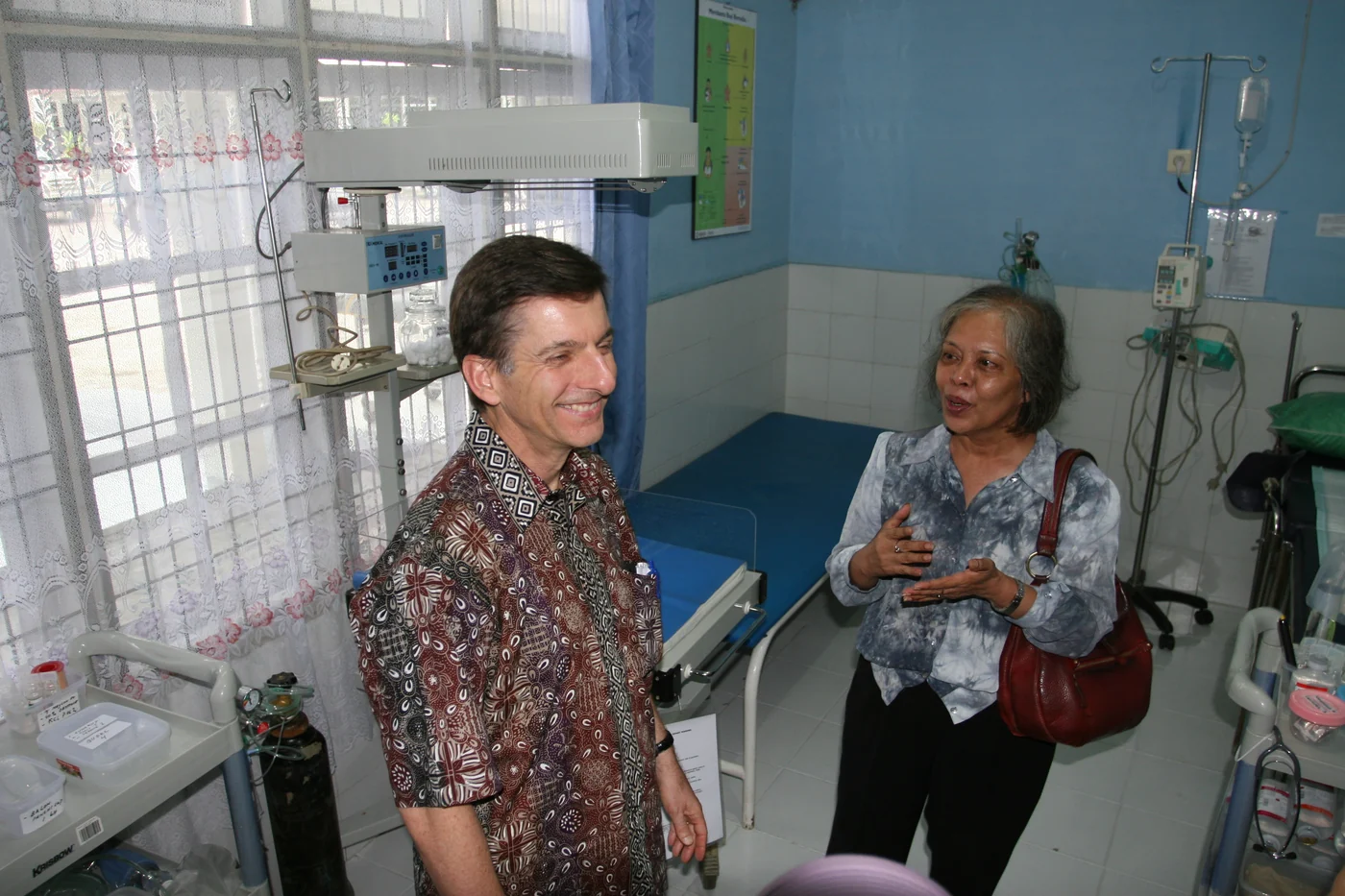
USAID had already paid for family-planning supplies held in Belgium. It ordered their destruction, paused, ordered destruction again and reversed itself the same day. Twenty truckloads had left temperature-controlled storage. By June 2026, inspectors reported that about $8 million of supplies were largely unusable. Storage and freight had cost another $360,667 through March. Before the stock deteriorated, a contractor had proposed resale that could recover up to $7.2 million. The government had not merely stopped buying aid. It had mishandled aid it already owned.39
Then there were the late fees. USAID paid more than $8.9 million in late-payment interest during 2025, compared with $1.3 million over the previous ten years combined. Finance officials cited staff shortages, changed payment procedures and the priority given to terminating awards over paying outstanding bills.40
The reversals reached emergency food programs too. Six were canceled and then reinstated in early April 2025. Reuters saw an internal email in which Jeremy Lewin, the DOGE official involved in dismantling USAID, apologized for the reversal. He subsequently became acting director of State’s foreign-assistance office.41
The official leaves. The dismantling remains.
Jeremy Lewin announced his departure from the State Department on October 27. The 29-year-old former DOGE official had helped lead USAID’s dismantling, moved through foreign assistance and then taken charge of policy planning in late August. Reuters reports that he is returning to the private sector.
Lewin leaves behind canceled programs and an aid agency stripped of staff. The consequences fall on the people who depended on that work, long after the official responsible has moved on. Read the departure report The latest government reporting
A separate inspection found poor storage, pests and inventory discrepancies around $18.8 million in food held in Houston. That was a warning about risk, not evidence that the entire stock had spoiled: remaining food was allocated for shipment by mid-September 2025. 42
Researchers examining 133 countries projected more than 14 million additional deaths by 2030 if severe USAID cuts persisted, including 4.5 million children under five. The model compared continued cuts with sustained support. The individual accounts above describe losses that families have already endured.43
A laboratory cannot be rebuilt by withdrawing a letter.
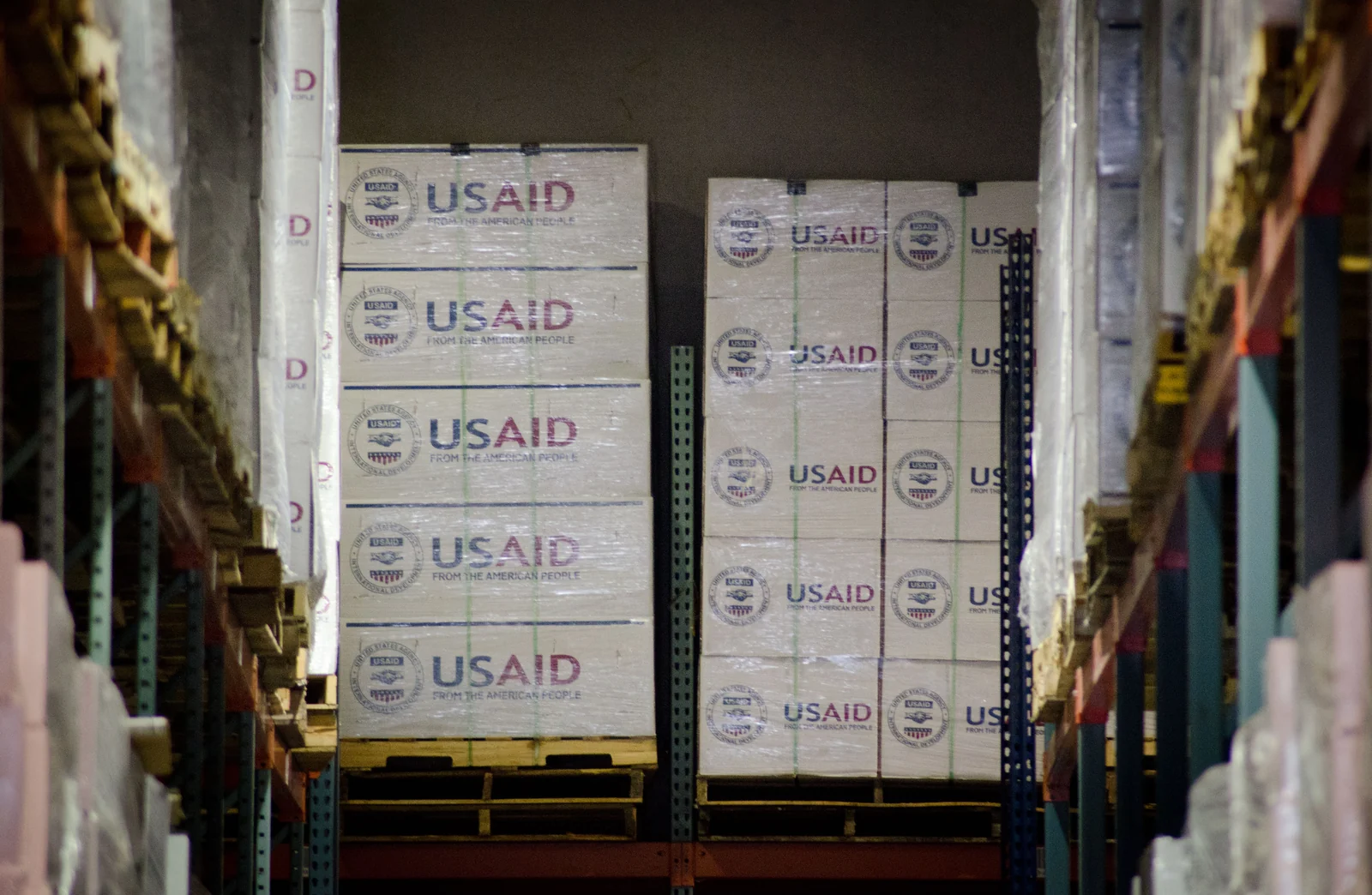
At the federal workplace-safety laboratory in Spokane, staff spent nine months being paid not to work. When HHS reversed the layoffs in January 2026, some of the people it wanted back had already built lives elsewhere.44
Mining engineer Brad Seymour, a union steward, estimated that a quarter of his division had retired or taken other jobs. Epidemiologist Tristan Victoroff estimated that about half the Western States Division had left, including its director and deputy. The laboratory studied risks facing people whose work was dangerous long before DOGE arrived. Its expertise could not simply be switched back on.44
HHS rescinded all National Institute for Occupational Safety and Health reduction-in-force notices on January 13, 2026. That restored a legal position. It did not prove that every departed scientist returned, or recover the months when research had been interrupted.45
Robert F. Kennedy Jr.’s department had explicitly linked its restructuring to Trump’s DOGE workforce order. In March 2025, it proposed another 10,000 job cuts, taking its planned overall workforce reduction to 20,000, and advertised $1.8 billion in annual savings. By June, Kennedy was telling Congress he had brought back 722 CDC employees and 220 at NIH.46, 47
The consequences spread through research grants as well as payroll. GAO found that NIH had terminated more than 1,800 grants between February and June 2025 and that HHS had unlawfully withheld appropriated money. Congress had funded work that the administration was preventing from proceeding.48
A study in JAMA Internal Medicine identified terminated grants supporting 383 clinical trials with 74,311 participants. Those studies were at different stages: more than a third were already complete, while others were recruiting or still active. Cutting a grant can damage follow-up, analysis and the evidence on which future care depends.49
The FDA began asking fired scientists to return within days. Reuters confirmed that at least 11 medical-device employees received offers, including some who had reviewed Neuralink, Musk’s brain-implant company. The offers were an early acknowledgment that expertise had been lost.50
The reversals were not confined to medicine. Nearly 180 employees at the National Nuclear Security Administration received dismissals; all but 28 were rescinded, according to Reuters’ February 2025 account. Agriculture officials rehired three employees in the laboratory network responding to bird flu. Basic questions about what these people did were being answered after dismissal notices had gone out.51
First the investigators went. Then the complaints piled up.
The Education Department put roughly half its civil-rights staff on leave in March 2025 and closed seven of 12 regional offices. GAO estimated that salary and benefits for the sidelined employees cost $28.5 million to $38 million through December. The department had not completed a comprehensive analysis of the savings or costs. It recalled staff in December, then rescinded layoff notices in January.52
While investigators were absent, the complaints did not stop. AP reported that the backlog rose from about 20,000 to 25,000. Families alleging discrimination still needed the government to investigate.53
Beth Gellman-Beer had spent 18 years at the civil-rights office and earned $190,000 as a regional director. She declined to return. By June 2026, a contractor was advertising an early-career attorney position in Denver at $225,000 to $260,000. The department said the recruitment was exploratory and no formal contract existed; the postings disappeared after questions. Inside Higher Ed reported that 247 of 299 affected employees had been told to come back after 52 had left. It could not establish how many actually returned.54
Peer-reviewed grants met a chatbot.
At the National Endowment for the Humanities, DOGE personnel Justin Fox and Nathan Cavanaugh used short grant descriptions and ChatGPT in a review that supplied “DEI” rationales for cancellations. The American Historical Association published the discovery record, including Fox’s submission of 1,162 grant descriptions and the officials’ sworn testimony. The public can inspect how the decisions were made.55
More than 1,400 grants worth over $100 million were canceled in early April 2025. In May 2026, Judge Colleen McMahon ruled that the terminations violated constitutional protections and that DOGE had acted without statutory authority. She ordered the termination notices withdrawn. NEH appealed in July. The judgment did not require immediate payment of grant funds.56, 57
Molly Hardy had been NEH’s employee of the year in 2024. The agency laid her off in 2025, then invited her to interview for a job in March 2026. She did not return, NOTUS reported. Even when institutions began recruiting again, they could not assume the people they discarded would be waiting.58
The depositions above are the first parts of the testimony, not edited highlight reels. The historians’ case archive links the full series, transcripts and exhibits.55
Agency by agency.
What changed, what was reversed and what the evidence actually measures.
24 agency records
AidUSAID / State
HealthCDC / NIH
HealthNIOSH
HealthFDA
HealthVeterans Affairs
HealthVeterans Health Administration
ServicesIRS
ServicesEducation: civil rights
CultureNational Endowment for the Humanities
DataSocial Security Administration
DataTreasury payments
OperationsGSA: Public Buildings Service
OperationsOffice of Personnel Management
OperationsHomeland Security contracts
SafetyNuclear Security Administration
SafetyUSDA: animal health laboratories
SafetyNOAA: National Weather Service
SafetyAviation weather services
SafetyFEMA
SafetyEnvironmental Protection Agency
ServicesConsumer Financial Protection Bureau
LandNational Park Service
February–July 2025
About 1,000 newer staff were fired in February 2025. NPCA’s July analysis found permanent staffing down 24%.68, 69, 70
The follow-through: Dozens of jobs restored; seasonal hiring promised. NPCA reported maintenance workers covering cleaning after custodial staff were dismissed at Black Canyon of the Gunnison.68, 69, 70
LandForest Service
ServicesHousing and Urban Development
No matching agencies. Try a different word or clear the filters.
This record covers documented cases, not every federal departure. Entries retain their reporting dates; they do not imply live monitoring.
Download the agency dataAccess first. Safeguards later.
DOGE was not only deciding which jobs and programs survived. Its personnel were entering systems holding financial and personal information on a scale few private organizations could match.
October 20 ruling · Reviewed October 22
A judge rules: OPM’s DOGE access broke the law.
OPM’s rush to open its personnel systems to DOGE has now produced a judgment against the agency. On October 20, 2026, U.S. District Judge Denise Cote ruled that the access grants violated the Privacy Act’s limits on disclosure and its duty to protect sensitive records. The databases hold information on tens of millions of current and former federal workers and applicants.120121
OPM had given DOGE personnel access in case they might need it. Cote found no explanation tying the permissions to duties they were actually performing. A modernization brief did not give them a right to those personal records.120
OPM has since withdrawn the access permissions. The workers and unions have won summary judgment on their administrative-law claims; the court still has to decide what should happen next, including whether a permanent injunction is needed.120
GAO’s Treasury review found that one DOGE employee received access to three payment systems in early 2025. The employee could view, copy and print data, and was mistakenly given temporary permission to create, modify and delete data in one system. Auditors found no evidence that those permissions were used to change data. They did find that unencrypted payment data was sent to another agency’s DOGE team without approval. Treasury had also issued a laptop without first ensuring the required security agreement and transmission controls were in place.62
The broader review was hampered by missing answers. In September 2026, GAO reported that four of six agencies provided information about DOGE system access and only three supplied information about their controls. The records identified access to more than 23 systems across the CFPB, Education, NOAA and SEC. Auditors could not establish the full extent of access or assess all the safeguards.73
At Social Security, government corrections to the court record disclosed use of an unauthorized third-party server and agreements involving an advocacy group seeking election-fraud evidence. The agency said it had not seen evidence that Social Security data had actually been supplied to that group. In April 2026, the Fourth Circuit vacated a preliminary injunction and sent the case back. That ruling did not make the government’s earlier inaccurate descriptions of its conduct disappear.61
The people behind the cuts.
Musk was the public face of DOGE. In court, the White House described him as a senior adviser who could advise Trump and communicate directives, but had no formal decision-making authority. Amy Gleason was eventually named acting administrator. The gap between the public performance and the legal job descriptions made it harder to pin down who owned each decision.74, 75
GAO identified 206 people assigned to the Executive Office’s DOGE operation during its review period, including 27 special government employees. The office did not supply the ethics-training records and financial disclosures auditors sought. The Office of Government Ethics did not plan a USDS ethics review during the next four years, citing the temporary organization’s expiration.76
Donald Trump
Created the structure and ordered agency heads to coordinate workforce reductions with DOGE.4
Elon Musk
Sold the cuts, advised Trump and remained the head of businesses affected by federal regulation. The White House denied he had formal decision-making authority.74
Amy Gleason
The official the White House identified as running USDS, behind an operation publicly associated with Musk.75
Steve Davis
A former SpaceX engineer and Twitter cost-cutter who helped organize DOGE staffing.77
Marco Rubio
Announced the cancellation of most USAID programs and the transfer of remaining work toward State.29
Jeremy Lewin
Participated in USAID’s dismantling, then took charge of State’s foreign-assistance office in an acting role.41
Robert F. Kennedy Jr.
Announced HHS’s restructuring and subsequently told Congress he had brought back hundreds of CDC and NIH staff.46, 47
Justin Fox and Nathan Cavanaugh
Their grant-review work became evidence in the successful challenge to the humanities cancellations.56
Russell Vought and Charles Ezell
Directed agencies to submit large-scale layoff and reorganization plans to OMB and OPM under the DOGE initiative.78
Linda McMahon
Defended the department’s March 2025 workforce reduction as efficiency and accountability.79
Pete Marocco
Oversaw foreign-assistance changes before Jeremy Lewin replaced him in the acting role in April 2025.41
Scott Kupor
Described DOGE’s functions moving into established agencies after its centralized operation ended.80
Vivek Ramaswamy, originally announced as a co-leader, left at the administration’s start to pursue an Ohio gubernatorial run. He was gone before the agency cuts unfolded.81
Agency heads signed and implemented decisions. Courts reviewed some of them; Congress had authorized the institutions and appropriated their money. Calling the entire upheaval “Musk’s cuts” lets too many officials vanish from the story.
“Big Balls” and the people handed the keys.
Edward Coristine was 19 when he arrived in Washington. His online handle was “Big Balls.” OPM employed the former Neuralink intern as an expert.82
He was part of a group of young engineers WIRED identified in February 2025 with little or no government experience. At GSA, employees described being asked to defend their code—and their jobs—to Coristine. Career officials were being judged by someone barely out of high school.83
Warnings before Washington.
CNN reviewed internal messages and a recording from Path Network, Coristine’s former employer, where executives had accused the teenage intern of leaking proprietary information to a competitor. In later Discord messages, he claimed he still had access after leaving.84
Reuters also traced a website used by EGodly, a group that boasted of cybercrime, to infrastructure associated with Coristine’s company, DiamondCDN. The reporting established a service-provider connection, not participation in the group’s crimes. These were questions about access and judgment before he was entrusted with federal systems.85
By July 2025, records obtained by WIRED showed how quickly access could be arranged: Coristine and another DOGE employee received entry to Small Business Administration financial and loan systems within hours of an urgent request.86
Luke Farritor
23 in early 2025. A former SpaceX intern and Thiel Fellow who left college; later an executive engineer at HHS.82
NPR documented his access to HHS administrative systems as DOGE’s presence expanded across the department.87
By July 2026, Reuters reported that Farritor had joined Gavin Kliger, Marko Elez and Jack Stein in founding Cathedral, a military cyber startup seeking government business. Three people familiar with the deal said it had raised $160 million at a $1.4 billion valuation. Kliger had recently left a Pentagon job. Government access had been followed by a private venture aimed at the same customer.88

Marko Elez
25 in early 2025. A former SpaceX and X engineer assigned to Treasury.82
He resigned after racist posts were linked to him, including “Normalize Indian hate.” Musk promised to bring him back; Vance urged reinstatement and Trump backed Vance.89
He did return. By late March 2025, NPR reported that he was working across Labor and HHS. A Treasury review had found that he improperly emailed a spreadsheet containing personal information to two GSA officials. HHS later disabled his Medicare and Medicaid permissions.87
Akash Bobba
Early 20s. Berkeley graduate with Meta and Palantir internships; worked at OPM, Social Security and Education.82
In a sworn declaration, career Social Security official Tiffany Flick described background-check delays, followed by pressure to onboard him and provide access at speed. Her account detailed late-evening demands and departures from the agency’s usual practices.90
Gavin Kliger
25 in ProPublica’s early profile. Berkeley-trained engineer and former Databricks employee; an OPM senior adviser.82
His USAID address appeared on the message telling employees to stay home. Reuters documented reposts of Nick Fuentes and Andrew Tate, including a Fuentes post attacking interracial adoption.91
In March 2026, he became the Pentagon’s chief data officer. He denied supporting bigots, extremists or white supremacists when Reuters asked about his online record.92
Gautier Cole Killian
24 in 2025. McGill mathematics and computer-science graduate, formerly at Jump Trading; detailed to EPA.82
His three-person DOGE team reviewed spending above $50,000. NOTUS found duplicate grants had inflated one announced savings total by more than $6 million. EPA mistakenly canceled a $20 million Benton Harbor grant, restored it, then canceled it again. All three team members had left EPA by September 2025.93
Ethan Shaotran
22 in early 2025. Harvard computer-science student and founder of the scheduling startup Spark.82
The president of the U.S. African Development Foundation described Shaotran’s involvement in a plan to strip the agency down. His court complaint said DOGE wanted to retain the board and president, maintain only one or two privately supported grants, and eliminate the other personnel.94
October 28 reporting · Starlink
A wartime outage becomes a contract conversation.
Unnamed U.S. officials told The Atlantic that SpaceX suggested an upgraded contract when they raised Ukraine’s Starlink disruptions. Published October 28, the report adds a commercial dimension to the restrictions on a critical wartime service.
The Pentagon watchdog’s subsequent refusal to investigate leaves the contract questions alongside the operational ones.

October 29 · Government leverage
The contract is vast. The independent scrutiny is missing.
The Pentagon watchdog has declined nine senators’ bipartisan request to investigate the Ukraine satellite disruptions. The decision adds an oversight failure to the account of Musk’s government leverage: lawmakers sought an independent examination and were directed toward the services handling the contracts.
October 23–24 · Musk and public power
Beyond Washington, another lever of power.
Musk’s reach extends from federal agencies to the communications Ukraine uses to defend itself. Ukraine confirmed the restoration of high-speed Starlink and Starshield operation on October 24. Six American lawmakers have demanded the records behind the restrictions, including any discussions with Trump or Putin’s representatives.
Their deadline is October 31. Follow the reporting and the original documents in the Ukraine record.
Zelensky has now answered Musk’s account of how Ukraine uses the satellite systems. Read his response and the latest Ukraine reporting
The founder story, and the people it leaves out.
Musk brought a familiar sales pitch to Washington: give him control, accept the disruption and wait for results. He had spent years making promises to investors and customers. Now the people waiting were taxpayers, federal workers and families who depended on American aid.
Tesla existed before Musk arrived. Martin Eberhard and Marc Tarpenning founded the company in 2003. Musk became its leading early investor and chairman in 2004, then chief executive in October 2008. A later settlement recognized five co-founders, including Musk. The title does not change the chronology.95, 96, 97
SpaceX, which Musk founded in 2002, depended on people whose names rarely commanded his share of the attention. Tom Mueller led propulsion development for Falcon and Dragon; Gwynne Shotwell became responsible for day-to-day operations and customer relationships. Musk supplied the ambition and the publicity; teams of engineers built the machines, and public contracts helped pay for them.96, 98, 99, 100
Twitter was the warning.
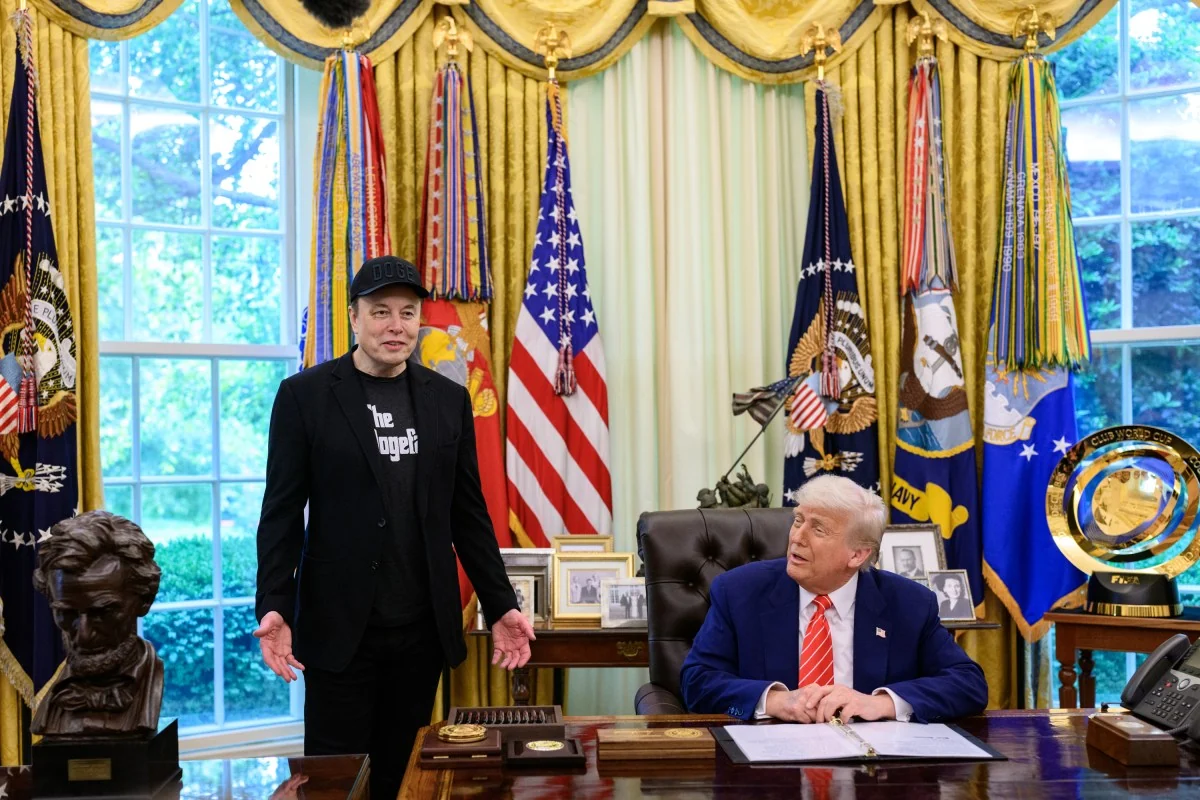
After buying Twitter for $44 billion in 2022, Musk cut roughly half its staff. Within days, managers were asking dozens of dismissed employees to return. Some had been fired by mistake; others had expertise needed for features Musk wanted, Reuters reported, citing Bloomberg. The organization was discovering the value of employees after removing them.101
The ultimatum that followed demanded a commitment to intense work or departure with severance. Hundreds considered leaving. Then the financial promise faltered: in July 2023, Musk said advertising revenue had fallen nearly 50% and cash flow remained negative under the weight of that decline and debt.102, 103
In Washington, the pattern returned: cut deeply, then discover which functions could not survive the cuts. This time, the people losing services could not simply open another social-media account.
Promises have brought penalties before.
In 2018, Musk and Tesla each agreed to pay $20 million to settle SEC charges arising from his claim that funding was secured to take Tesla private. Musk stepped down as chairman; Tesla accepted additional oversight of his communications. They settled without admitting or denying the allegations.104
Nine years on, still a stunt.
Musk unveiled the next-generation Roadster in 2017, promising production in 2020. At the October 2026 event, the date had slipped to 2028. Tesla’s chief designer described the car to MotorTrend as a prototype with production intent. Customers were still being sold a promise.105
No driver was inside the car performing the airborne demonstration.106
The Rocket configuration is one-seat and invitation-only. Tesla’s own website says: “Not approved for public road use.” Nine years after the original unveiling, the star of the show was a car the public could not order for the road.107
The more conventional versions require reservation payments of $50,000 or $250,000, depending on the configuration. These are deposits, not final prices.105
Tesla’s October 15 agreement guarantees neither a delivery date nor delivery at all. The money earns no interest and is not held in escrow. Customers can seek a refund before completing configuration; final specifications and pricing are still unsettled.108
The fan-suction system advertised for the Performance version is hardly a new idea.107
McMurtry demonstrated a Spéirling driving upside down with a person inside in April 2025, using fan-generated downforce.109
Gordon Murray’s Brabham fan car won a Formula 1 race in 1978.110
Musk had a spectacle for the cameras. Buyers still had a reservation agreement.
The government helped build the empire.
Tesla received a $465 million federal manufacturing loan in 2010, later repaid.111
NASA distributed $396 million to SpaceX through its early cargo-development program, alongside technical support.100
The company’s first commercial resupply contract was worth $1.6 billion for 12 cargo flights. Government was a financier, development partner and customer.112
That dependence continued into the Moon program. In March 2026, NASA’s inspector general found SpaceX’s lander development at least two years late, with more delay expected.113
By July, GAO was warning that key milestones were more than a year behind their original schedule and that development difficulties threatened a 2028 landing. Orbital refueling and an uncrewed lunar demonstration remained unfinished business.114
NASA’s October account described the 2027 mission as an Earth-orbit docking test. SpaceX’s test vehicle would have no life-support system, and astronauts would not enter it. NASA also disclosed the public expertise behind the effort: more than 100 equivalent NASA engineering personnel working with each lander provider, plus facilities including the wind tunnels used by SpaceX. Musk’s Moon program was relying on the kind of federal expertise his Washington operation treated as expendable.115

A regulator is not just another cost center.
Musk’s companies gave the government cuts a further complication. FDA staff who reviewed Neuralink were among those dismissed. Reuters’ sources did not believe they were targeted specifically for that work. The conflict is still plain: the businessman fronting the cuts had interests before agencies losing expertise.116
SpaceX personnel also visited the FAA to discuss air-traffic improvements, while the FAA remained responsible for regulating SpaceX. Senator Mark Warner questioned that arrangement in a letter to Transportation Secretary Sean Duffy. The question was access and accountability.117, 118
Putting people back does not put everything back.
Reinstatement can mean a court order, a withdrawn dismissal, an offer to return or a person actually back at work. Those are different outcomes. Senate Democratic investigators counted 25,686 reinstatements in the first six months; the count does not establish that every one of those employees returned permanently.7
The legal picture changed repeatedly. In July 2025, the Supreme Court stayed a broad injunction against the workforce-reduction initiative. It explicitly did not decide whether every agency’s plan was lawful. Individual disputes continued, producing reversals such as the NEH grant ruling and the later judgment against FEMA’s proposed staffing cut.119
By November 2025, OPM Director Scott Kupor told Reuters that DOGE no longer operated as a centralized entity. Functions had moved into existing institutions. The temporary mission reached its scheduled July 4, 2026, endpoint, but the renamed digital service and the consequences of the cuts did not vanish with it.80, 3
By July 2026, NOTUS found agencies recruiting again. The IRS had special authority to fill 8,000 jobs—not evidence that 8,000 had already been filled—and USDS itself was backfilling departures. An organization created to reduce the workforce had staffing gaps of its own.58
Open the dated record of reversals
- February 2025
Nuclear and animal-health reversals
Most of the nearly 180 NNSA dismissals were rescinded; three bird-flu laboratory-network staff were rehired.51
- June 2025
Kennedy reports staff brought back
The health secretary told Congress that 722 CDC and 220 NIH employees had been restored.47
- August 2025
Weather hiring authorized
NWS received permission to recruit up to 450 people for critical jobs.63
- December 2025–January 2026
Civil-rights office recalled
Education recalled sidelined staff, then rescinded layoff notices.52
- January 2026
NIOSH notices rescinded
The workplace-safety agency reversed all remaining reduction-in-force notices.45
- May–July 2026
Humanities ruling and appeal
A judge ordered cancellation notices withdrawn. NEH appealed.56, 57
- September 2026
FEMA plan blocked
A judge ruled the proposed 50% workforce reduction unlawful.65
DOGE left inflated receipts, a bill for paid leave, depleted services and agencies scrambling to rehire people they had just dismissed. Every reversal exposed the same failure: the work still needed to be done.
For the people whose food, research, livelihood or safety depended on that work, the accounting was never an abstract exercise. Musk could leave the government and return to his companies. They were left living with the cuts.
Inspect the record.
This investigation was researched through October 22, 2026. Figures retain their own periods and publication dates. Agency reductions include decisions by Trump, Cabinet officials and DOGE personnel; a specific action is attributed to Musk personally only where the evidence supports it.
The financial ledger separates administration claims, auditor findings, estimates and incurred costs. It does not add overlapping figures or treat a canceled contract ceiling as recovered cash. Photographs retain credits; archival images are labeled. Videos are original publisher or case-record recordings and load only when selected.
- DOGE savings claims: limitations in Wall of Receipts Government Accountability Office · August 6, 2026
- Musk wields chainsaw at CPAC PBS News · February 20, 2025
- Establishing and implementing the President's DOGE White House · January 20, 2025
- Workforce optimization executive order White House · February 11, 2025
- Musk's departure leaves DOGE's ambitious promises unfulfilled Associated Press · May 29, 2025
- DOGE Savings / Wall of Receipts U.S. DOGE Service · January 1, 2026
- The $21.7 Billion Blunder Senate Permanent Subcommittee on Investigations Democratic minority staff · July 31, 2025
- DHS contract terminations and potential savings Government Accountability Office · September 3, 2026
- Federal workforce: administrative leave use and cost Government Accountability Office · September 15, 2026
- Combined Statement of Receipts, Outlays and Balances FY 2025 Treasury Bureau of the Fiscal Service · November 3, 2025
- Monthly Budget Review: September 2026 Congressional Budget Office · October 8, 2026
- DOGE website offers error-filled window into Musk’s government overhaul Reuters, via KELO · March 4, 2025
- Fiscal Service’s Sensitive Payment Systems’ Controls Are Generally Adequate but Weaknesses and Deficiencies Exist Treasury Office of Inspector General · June 8, 2026
- Could Trump really return DOGE savings to taxpayers? Associated Press · February 20, 2025
- Trump $5,000 checks and $500 ACA rebates: What to know Kiplinger · October 2026
- A year after Trump's DOGE cuts, workers whose lives were upended ask what was saved Associated Press (also syndicated by PBS) · March 27, 2026
- Federal workforce changes across major agencies Government Accountability Office · June 17, 2026
- OPM workforce reductions and capacity Government Accountability Office · July 20, 2026
- GSA Public Buildings Service workforce planning Government Accountability Office · April 14, 2026
- National Taxpayer Advocate 2025 annual report release IRS / National Taxpayer Advocate · January 28, 2026
- Fiscal Year 2027 Objectives Report / Review of 2026 Filing Season National Taxpayer Advocate · June 24, 2026
- IRS announces nationwide hiring events Internal Revenue Service · June 4, 2026
- U.S. Agency for International Development: An Overview Congressional Research Service · September 5, 2025
- Foreign Assistance: Agencies Made Broad Changes, but State Lacked Guidance for Decisions Government Accountability Office · September 30, 2026
- amfAR PEPFAR Pulse Study: HIV Service Sites Closed by Funding Cuts amfAR · July 21, 2026
- The Trump Administration's Foreign Aid Review: Status of the President's Malaria Initiative KFF · September 22, 2026
- Oversight of USAID-Funded Humanitarian Assistance Programming Impacted by Staffing Reductions and Pause on Foreign Assistance USAID Office of Inspector General · February 10, 2025
- USAID watchdog fired after critical report on the bid to dismantle the agency Reuters, via Investing.com · February 11, 2025
- Operation Enduring Sentinel quarterly report, January–March 2025 USAID Office of Inspector General · June 2025
- USAID terminates nearly all its remaining employees NPR / Ideastream · March 28, 2025
- USAID cuts and maternal and child deaths in Nepal Associated Press · August 13, 2026
- Starving children screaming for food as US aid cuts unleash devastation and death across Myanmar Associated Press · 2025
- South Sudan cholera patients died walking to clinic after US cut aid, charity says Reuters, via MarketScreener · April 9, 2025
- The Human Toll of U.S. Foreign Aid Cuts, Six Months On Mercy Corps (now Prosper Global) · July 17, 2025
- USAID Spending at the Country and Sector Level: What Happened in Fiscal 2025? Center for Global Development · April 23, 2026
- Impact of 2025 funding cuts World Health Organization, Global Tuberculosis Report 2025 · 2025
- Funding shortfalls push Uganda's refugees deeper into hunger World Food Programme · March 23, 2026
- The end of the DHS Program and the future of gender data: What's at stake? UN Women · August 5, 2025
- Family Planning Commodities: Final Disposition Instructions Needed for $8 Million in Unusable Items and $1.7 Million in Belgium USAID Office of Inspector General · June 10, 2026
- USAID’s Interest Payments to Vendors in Calendar Year 2025 USAID Office of Inspector General · May 5, 2026
- DOGE staffer appointed acting head of State Department foreign assistance office Reuters, via Investing.com · April 15, 2025
- Emergency Food Assistance: USAID Stored Over $18 Million of Food in Houston Warehouses, but Deficiencies May Increase Risk of Waste USAID Office of Inspector General · June 16, 2026
- Evaluating the impact of two decades of USAID interventions and projecting the effects of defunding on mortality up to 2030 The Lancet · June 30, 2025
- After 9 months of uncertainty, NIOSH brings back workers at Spokane Research Lab The Spokesman-Review · January 25, 2026
- HHS reinstates all laid-off employees at workplace safety agency NIOSH Federal News Network · January 14, 2026
- HHS Announces Transformation to Make America Healthy Again Department of Health and Human Services · March 27, 2025
- US health secretary Kennedy says he brought back 722 CDC employees, 220 at NIH Reuters, via MarketScreener · June 24, 2025
- National Institutes of Health: Application of the Impoundment Control Act GAO · August 2025
- Clinical Trials Affected by NIH Grant Terminations JAMA Internal Medicine · November 17, 2025
- US FDA asks fired scientists to return, including some reviewing Musk's Neuralink Reuters, via MarketScreener · February 22, 2025
- Fired and rehired: the dizzying confusion of Trump's government overhaul Reuters, via MarketScreener · February 21, 2025
- Department of Education Office for Civil Rights restructuring costs Government Accountability Office · January 29, 2026
- Education Department recalls civil rights investigators as complaints mount Associated Press · December 5, 2025
- After RIFs, Ed turns to contractor to hire new OCR attorneys Inside Higher Ed · June 5, 2026
- Lawsuit to restore the NEH: exhibits, depositions and case record American Historical Association · 2026
- ACLS and Authors Guild v. NEH: summary judgment opinion U.S. District Court, Southern District of New York · May 7, 2026
- NEH appeals ruling restoring canceled grants Publishers Weekly · July 8, 2026
- DOGE Is Officially Ending. Agencies Are Hiring Again. NOTUS (now redirects to The Washington Sun) · July 3, 2026
- VA to reduce staff by nearly 30K by end of FY 2025 Department of Veterans Affairs · July 7, 2025
- Veterans Health Administration's Responses to Severe Occupational Staffing Shortages VA Office of Inspector General · September 11, 2026
- AFSCME v. Social Security Administration, No. 25-1411 U.S. Court of Appeals for the Fourth Circuit · April 10, 2026
- Treasury payment systems: DOGE access and security controls GAO · April 28, 2026
- National Weather Service gets approval to hire 450 staff after cuts Associated Press · August 6, 2025
- Aviation Weather Services: Workforce Risk Assessment Needed GAO · August 28, 2025
- Judge blocks plan to cut FEMA's workforce in half Associated Press · September 12, 2026
- EPA spending faces DOGE approval requirement Associated Press · March 2025
- CFPB and NTEU obtain stay of reduction-in-force litigation Consumer Finance Monitor · July 13, 2026
- Trump's firing of 1,000 national park workers raises concerns Associated Press · February 18, 2025
- National Park Service restores some jobs, pledges 7,700 seasonal workers Associated Press · February 21, 2025
- NPCA analysis: 24% decline in the permanent workforce National Parks Conservation Association · July 3, 2025
- Forest Service: Opportunities Exist to Improve Timber Sale Management GAO · June 4, 2026
- HUD Top Management and Performance Challenges, Fiscal Year 2026 HUD Office of Inspector General · December 17, 2025
- DOGE access to agency information systems GAO · September 29, 2026
- White House says Musk is not in charge of DOGE — legally, anyway NPR/Georgia Public Broadcasting · February 18, 2025
- White House says Amy Gleason is acting administrator for DOGE Reuters · February 25, 2025
- U.S. DOGE Service personnel and ethics oversight GAO · August 5, 2026
- Inside Elon Musk's War on Washington TIME · February 7, 2025
- Guidance on agency RIF and reorganization plans OMB and OPM · February 26, 2025
- U.S. Department of Education initiates reduction in force Department of Education · March 11, 2025
- DOGE doesn't exist with eight months left on its charter Reuters · November 23, 2025
- Ramaswamy to leave DOGE to launch bid for Ohio governor Axios · January 20, 2025
- Elon Musk's Demolition Crew ProPublica · March 9, 2026
- The Young, Inexperienced Engineers Reshaping the Federal Government WIRED · February 2, 2025
- DOGE staffer Edward Coristine's previous employer and data-leak concerns CNN · February 21, 2025
- DOGE staffer 'Big Balls' provided tech support to cybercrime ring, records show Reuters · March 26, 2025
- Edward Coristine and access to the federal payroll system WIRED · July 30, 2025
- DOGE staffer who shared Treasury data now has more access to government systems NPR, republished by KPBS · March 31, 2025
- DOGE alumni launch military cyber startup with $1.4 billion valuation Reuters · July 22, 2026
- Musk and Vance back DOGE employee after racist posts Associated Press · February 7, 2025
- AFSCME v. SSA motion for temporary restraining order, citing Tiffany Flick's declaration U.S. District Court filing hosted by Democracy Forward · March 7, 2025
- Staffer with Elon Musk's DOGE amplified white supremacists online Reuters · February 7, 2025
- Pentagon taps former DOGE official to lead its AI efforts Reuters · March 6, 2026
- Inside DOGE's EPA Team and Its Multimillion-Dollar Mistakes NOTUS · September 25, 2025
- Brehm v. Marocco complaint concerning U.S. African Development Foundation U.S. District Court filing hosted by Democracy Docket · March 6, 2025
- How Elon Musk and Tesla Forged a New EV Path IEEE Spectrum · September 2026
- Tesla 2010 IPO prospectus Securities and Exchange Commission · 2010
- Tesla founders end bitter legal fight Los Angeles Times · September 22, 2009
- Impulse Space: Our mission and Tom Mueller Impulse Space · October 21, 2026
- NASA biography: Gwynne Shotwell NASA · October 21, 2026
- Commercial Orbital Transportation Services: A New Era in Spaceflight, NASA/SP-2014-617 NASA · 2014
- Twitter asks some laid off workers to come back, Bloomberg reports Reuters, citing Bloomberg · November 6, 2022
- After Elon Musk's ultimatum, Twitter employees start exiting Reuters · November 17, 2022
- Elon Musk says Twitter's cash flow still negative as ad revenue drops 50% Reuters · July 15, 2023
- Elon Musk Settles SEC Fraud Charges; Tesla Charged With and Resolves Securities Law Charge Securities and Exchange Commission · September 29, 2018
- 2028 Tesla Roadster First Look: Tesla's New Supercar Can Actually Freaking Fly MotorTrend; Edward Loh · October 16, 2026
- Tesla's new Roadster car can thrust itself in the air. But don't expect to drive it anytime soon Associated Press · October 16, 2026
- Roadster Tesla · October 21, 2026
- Roadster Reservation Agreement (US v.20261015) Tesla · October 15, 2026
- WORLD FIRST: McMurtry Spéirling drives upside down from stationary McMurtry Automotive · April 11, 2025
- From the six-wheeled Tyrrell to the dual rear wing Ferrari: 10 of the most unusual F1 cars Formula 1 · 2023
- The History of the Electric Car U.S. Department of Energy · September 15, 2014
- NASA Hails Success of Commercial Space Program; Private Space Station Resupply Underway, Plans Readied for Astronauts NASA · November 13, 2013
- NASA's Management of the Human Landing System Contracts, IG-26-004 NASA Office of Inspector General · March 10, 2026
- NASA: Assessments of Major Projects, GAO-26-108556 Government Accountability Office · July 23, 2026
- NASA's Human Landing System: Demonstrating the Capability to Land Artemis Astronauts on the Moon by 2028 NASA HLS team; International Astronautical Congress paper IAC-26-B3.1 · October 5, 2026
- FDA staff reviewing Musk's Neuralink were included in DOGE employee firings Reuters · February 17, 2025
- Musk's SpaceX personnel visiting FAA to suggest improvements Axios · February 17, 2025
- Senator Mark Warner letter to Transportation Secretary Duffy Office of Senator Mark Warner · February 24, 2025
- Trump v. AFGE: order staying the workforce injunction Supreme Court · July 8, 2025
- AFGE v. OPM: summary-judgment opinion and order U.S. District Court, Southern District of New York · October 20, 2026
- OPM’s disclosure to DOGE violated the Privacy Act Electronic Frontier Foundation · October 20, 2026