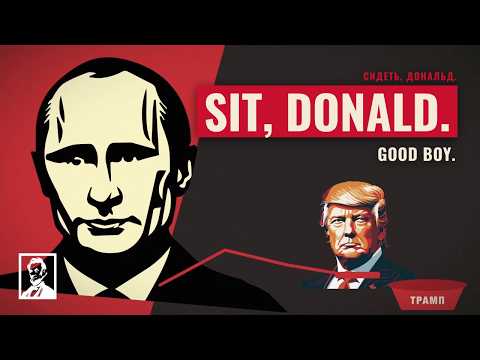
THE ARGUMENT
Whose peace is this?
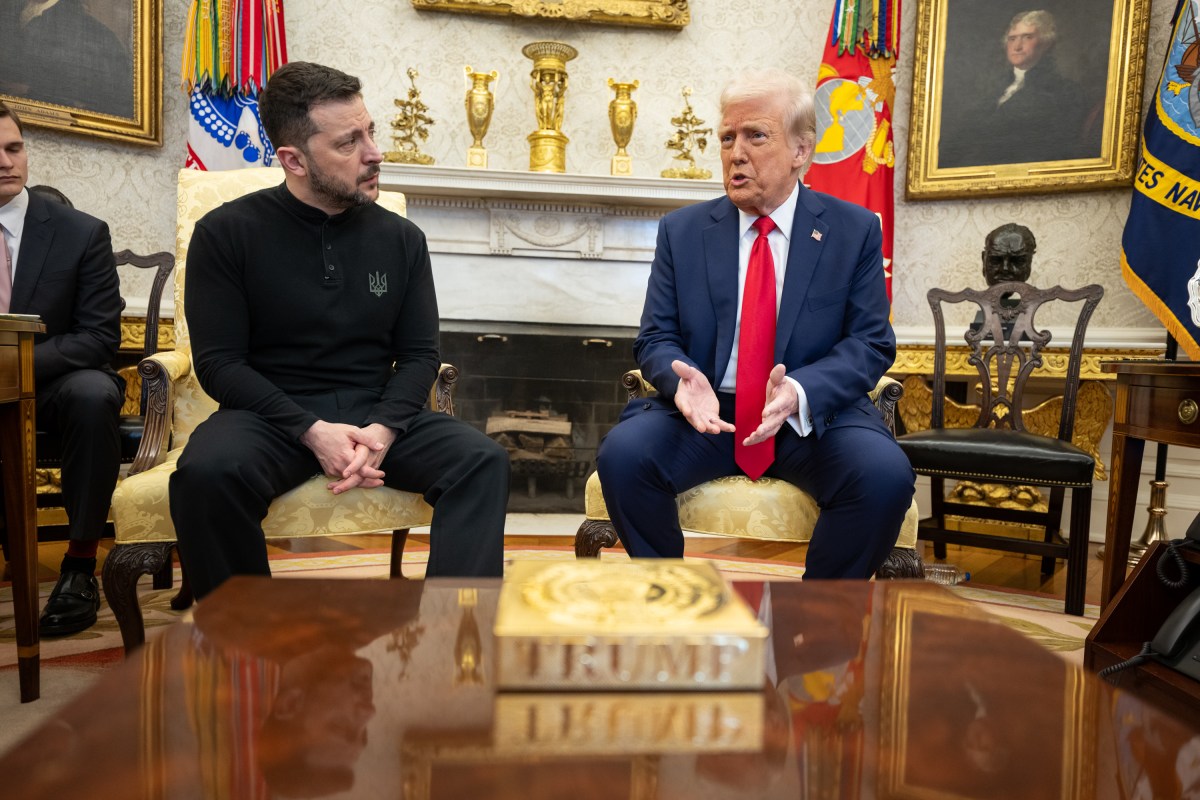
By October 18, Trump had found someone to blame for the continuing war in Ukraine: Volodymyr Zelensky. The Ukrainian president was attacking Russian refineries, disrupting Trump’s diesel deal and, in Trump’s telling, had probably never wanted peace. Putin, meanwhile, had to be coaxed back to the negotiating table. The man who invaded received patience. The man whose country was invaded received another public dressing-down. 10
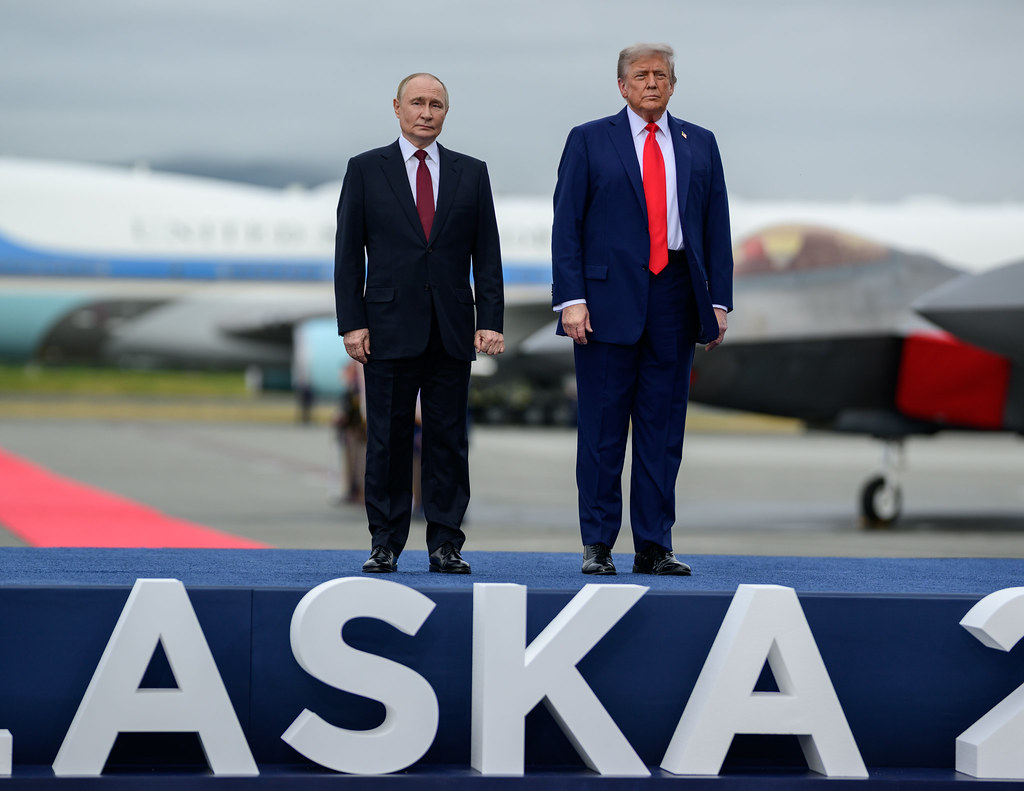
Then came the report of Putin’s proposed summit: Russia, the United States and China would discuss Ukraine’s future. Ukraine’s president would not be in the room. The Wall Street Journal described a meeting built around three powerful men deciding what should happen to somebody else’s country. 37
Trump presents these choices as the work of a dealmaker bringing a war to an end. But the concessions are easier to identify than the return. Moscow gets sanctions relief. Kyiv gets pressure to stop striking the refineries that help sustain Russia’s war.
For Ukrainians, the consequences reach far beyond the diplomatic insults. Intelligence warnings and satellite connections help keep people alive. When those services falter during an argument with Washington, the uncertainty becomes another burden on a country already fighting for its survival. 21 19
What has Moscow been required to deliver in return?
Trump keeps asking the world to trust his relationship with Putin. Ukrainians are being asked to stake rather more than trust on it. They deserve an answer about what Russia will give up before Washington asks them to give up anything else.
THE PROPOSED SUMMIT
Three presidents. One country missing.
Putin had been floating the idea for weeks. At the Valdai forum on October 1, he said he was willing to meet Trump and Xi Jinping if they could agree on an agenda. 42
According to the Wall Street Journal’s reporting, relayed by Reuters, he made a more specific proposal during his October 9 call with Trump: a three-way meeting to discuss a Ukraine deal. The Journal’s sources included a former Russian intelligence officer briefed on the matter. The APEC gathering in Shenzhen on November 18–19 was suggested as a possible venue. 38
An unnamed senior American official told the Journal that Trump had not agreed. Even as a proposal, though, the arrangement was revealing. Putin would represent Russia. Xi would represent China. Trump would represent the United States. Nobody would represent the country they were discussing. 37
On October 19, Kremlin spokesman Dmitry Peskov said the idea had been raised but that no agenda or arrangements had been settled. He conceded that a final settlement would need someone in Kyiv willing to take responsibility for it. 39
Marco Rubio, speaking in Samarkand, also said there had been discussion of a meeting. He did not know whether anything had been finalized. 40
Ukraine’s foreign minister, Andrii Sybiha, proposed the obvious alternative: Ukraine, the United States and Russia. Replacing Ukraine with China, he warned, would reward Putin and encourage further aggression. 43
The danger is that Kyiv is invited in only after the powerful countries have settled the essentials. By then, refusal can be portrayed as obstruction. Ukraine would face pressure to accept a bargain made over its head—and blame if it rejected it.
China cannot give away Ukrainian territory. Neither can Trump. Yet Putin’s proposed guest list treats Ukraine’s consent as something to be obtained after the real business is done.
The suggested dates fall after the American midterms. There is no agreed summit. What Putin has already made clear is the kind of negotiation he would prefer: one in which the country resisting his invasion has the least influence over the terms.
THE CONCESSIONS
Trump gives Moscow breathing room.
On October 9, the US Treasury opened the door to Russian diesel. General License 135 permits transactions that would otherwise be prohibited, including imports into the United States, until 12.01 am EDT on April 7, 2027. Restrictions on debiting specified Russian state accounts remain. 3
A week later, Trump waived the new sanctions and duties in the Lindsey O. Graham Sanctioning Russia and Iran Act. His order leaves specified earlier executive-order sanctions in place. The new measures, however, are suspended until Trump or his authorized officials decide otherwise. There is no automatic expiration date. 1
Congress had put a formidable package on the table: an additional 500 percent duty on Russian imports and 100 percent duties affecting specified major buyers of Russian energy, with conditions and exceptions. It also gave Trump waiver powers. He used them. 2
Rubio subsequently spoke of an economic review lasting up to 60 days. That sounds like a deadline. The signed order contains no such deadline. 67
Trump has therefore held back a fresh source of pressure on Moscow while granting relief on diesel. Russia keeps the benefit unless Washington decides to take it away.
Even Republican senators objected. ABC reported that Thom Tillis, John Cornyn, Mitch McConnell and Susan Collins had urged Trump to scrap the diesel arrangement and impose the stronger sanctions. 34
His administration knows how to apply that pressure. In October 2025, Treasury imposed blocking sanctions on Rosneft and Lukoil, with Scott Bessent citing Putin’s refusal to end the war. The current retreat is a choice. 63
Rubio’s explanation is that secondary tariffs could hurt partners such as India and that wars are squeezing energy supplies. Russia would sell its diesel anyway, he argued. Bessent pointed to the sanctions still in force and continuing American assistance to Ukraine. 26 27
Reuters reported another ambition behind the deal: American envoys hoped diesel relief would make Moscow more accommodating in peace talks. People familiar with those discussions said the envoys asked Ukraine to pause refinery attacks. They said that meeting did not include a threat to cut off American support. 68
The concession to Russia was concrete. The diplomatic return was a hope. Meanwhile, Ukraine was being asked to ease pressure on the industry supplying its enemy with revenue.
Even the fuel promise was less settled than Trump’s announcement suggested. S&P Global reported that Russia’s public statement did not confirm his 4.8-million-ton total or timetable. Constraints on Russian refining and exports raised further questions about delivery. 5
Cheaper diesel would be welcome. It would not, by itself, make this a successful peace policy. Trump needs to show what Putin has done in return, and what will happen if he takes the relief and carries on fighting.
Now Moscow’s investment fund wants relief.
The Kremlin says discussions are underway about lifting U.S. sanctions on the Russian Direct Investment Fund. The talks add another Russian institution to the concessions being considered in Washington. Read Reuters’ report The wider diplomatic record
A pause for Russia’s refineries.
The Journal reports that Ukraine paused refinery strikes in mid-October, with the halt expected to extend beyond the U.S. election. That gives fresh significance to the energy concessions traced here.
Lavrov gets a seat. The group photo falls apart.
The United States canceled the G20 foreign ministers’ group photograph in Atlanta after European objections to standing alongside Sergei Lavrov. Russia’s foreign minister was at the meeting; South Africa had been excluded by the host administration.
The gathering prepares for the leaders’ summit at Trump’s Doral resort in December. The missing photograph captures the fault line: Washington is hosting Moscow while European governments resist the image of business as usual.
THE PRESIDENT’S RECORD
Putin gets patience. Zelensky gets the blame.
Over ten days, Trump moved from celebrating Russian fuel supplies to accusing Zelensky of prolonging the war. His posts and interviews show how quickly the Ukrainian president became the problem.
- 9OCTOBER 2026Truth Social
Trump announced more than 300,000 tons of immediate Russian diesel supplies, promised further deliveries and said American prices would fall. 4
View original post - 10OCTOBER 2026Press remarks
Asked about the Russia deal, Trump attacked Zelensky’s negotiating conduct, demanded an end to refinery strikes and suggested Ukraine choose another leader. 8
Read the record - 11OCTOBER 2026Truth Social
Trump announced an immediate energy ceasefire and claimed both Russia and Ukraine had agreed. 6
View original post - 12OCTOBER 2026Truth Social
Trump said he did not believe Russia or China were helping Iran, except perhaps at a very low level. 77
View original post - 15OCTOBER 2026Newsmax interview
Trump said he thought both leaders wanted peace, but found Zelensky harder to deal with than Putin. 9
Read the record - 18OCTOBER 2026Truth Social
Trump defended withholding sanctions, praised Russian diesel and blamed Ukrainian refinery attacks. He accused Zelensky of probably never wanting the war to end. 10
View original post
In his October 18 post, Trump warned against driving Russia away from negotiations and praised its diesel supplies. He turned on Zelensky with the claim “he doesn’t want to end this war, and probably never did” and offered no evidence for the accusation. 10
Three days earlier, he had said he thought both men wanted peace, though Zelensky was harder to deal with than Putin. By Sunday, the invaded country’s president had apparently never wanted peace at all. 9
Zelensky has every reason to be difficult about terms that determine whether his country can survive another Russian attack. Putin has every reason to welcome relief from sanctions. Trump’s irritation with one and indulgence toward the other tells us more about his negotiating preferences than about responsibility for the war.
The effect is corrosive. Ukraine’s resistance becomes an inconvenience to the American president’s deal. Putin’s continued participation becomes something Washington must protect. The burden of making peace shifts toward the country that did not start the war.
UKRAINE’S ACCOUNT
Zelensky’s answer to Trump.
Listen to Zelensky’s interviews and a different account emerges. He is arguing about the conditions of a settlement, the reliability of American help and whether Trump is still acting as a mediator. As services fail or return, his descriptions change with them.
AxiosOCTOBER 9, 2026
Zelensky opposed diesel relief unless Russia agreed to a reciprocal halt in attacks on energy infrastructure. 11
NPRRECORDED 13 · BROADCAST OCTOBER 14
Zelensky said his generals had been warned that intelligence support could stop over refinery attacks. Missile warnings had gone missing, although his military had been given a technical explanation. He had learned about Trump’s announced energy truce on social media and said he would observe it if Russia did too. 7
Piers Morgan UncensoredOCTOBER 14, 2026
Zelensky spoke about the pain of Trump taking the other side. He could accept a mediator staying in the middle, he said, provided that position was consistent. Reuters reported his remarks from the interview. 12
Financial TimesOCTOBER 15, 2026
After three days of restraint while Russian attacks continued, Zelensky said Ukraine would resume refinery strikes. He alleged deliberate restrictions on support. His office initially said satellite functionality had returned that day; later statements described continuing limits. 14
NBC Meet the PressOCTOBER 18, 2026
Zelensky said fighting without American help would be extremely difficult. America joining Russia’s side would be worse still. He hoped Trump would change course. 36
He was still talking to Trump’s envoys. His office reported a call with Steve Witkoff and Jared Kushner on October 18 about diplomatic preparations, contacts between their teams and air defense. 16
Two days earlier, addressing the European Council, Zelensky had asked for sustained sanctions, more air defense and greater European technological independence. Russian energy revenues, he warned, would keep financing the war. He also thanked Americans who continued to support Ukraine. 15
This is a president trying to keep his country supplied while negotiating with an ally whose position he can no longer take for granted. He can welcome the restoration of one service and protest the restriction of another. Neither requires him to accept a settlement that leaves Ukraine exposed.
Trump reduces that struggle to a complaint about Zelensky’s attitude. The interviews are worth hearing because they put the consequences back into the conversation.
INTELLIGENCE AND SATELLITES
The support Ukraine cannot count on.
On October 18, Zelensky said American missile-warning intelligence was working again after an interruption. He thanked the United States. For a country under bombardment, that was a significant improvement. 17
The relief was short-lived. AP reported fresh Ukrainian complaints the next day about missing or inadequate warnings during overnight ballistic attacks. The cause of those failures remained unresolved. 19
Zelensky also described a separate problem: Starlink and Starshield terminals stopped functioning when they moved at roughly 130–161 km/h, depending on the frontline sector. He said the limits affected logistics and several kinds of drones, including interceptors. 18
These were limits on how fast a terminal could travel. A connection that worked on the ground could fail as a vehicle or drone accelerated. Presidential adviser Serhii Beskrestnov had already told AP that outages were fixed but the movement-related cap remained. 32
SpaceX’s Starshield is a government service built on Starlink technology. Satellite connectivity and American missile-warning intelligence serve different functions. Restoring one does not restore the other. 20
That is why sweeping assurances from Washington were so unsatisfactory. Kyiv needed to know which capabilities it could rely on, where they would work and whether they would still be available the following night.
There was a precedent for American support being switched off and back on. The joint US–Ukraine statement of March 11, 2025, explicitly promised to restore intelligence sharing and security assistance. Ukraine accepted an interim ceasefire proposal, subject to Russia doing the same. 30
An unreliable ally forces costly decisions. Ukraine has to plan for interruptions. Europe has to consider alternatives. Even when a service returns, the fear that it may disappear again shapes military planning. Washington’s reliability has become part of the problem.
October 21 update. New reporting now puts Musk behind the restrictions. Washington still has not supplied a coherent account of what it knew. Senators have asked SpaceX for the contracts, communications and names of those responsible. Ukraine should not have to depend on a billionaire’s discretion and a White House that cannot explain it. Read the new reporting and the official responses .
The Pentagon inspector general has also declined a bipartisan request to investigate the Ukraine satellite disruptions. Read the oversight decision Inspect the record
THE ADMINISTRATION’S ACCOUNT
Washington cannot keep its story straight.
Washington’s explanations shifted as the questions became more specific. Officials denied a presidential order, denied administration involvement, cited technical trouble or admitted they did not know. Read together, their answers leave substantial gaps.
12 responses · Open for details
OCT 13White House briefingPress secretary Katie Zacharia said she would have to get back to the reporter when asked whether intelligence sharing had stopped. 23
The briefing ended without an answer on whether intelligence sharing had stopped. 23
OCT 13TrumpTrump denied stopping intelligence sharing and said cooperation continued. 22
Trump gave no detail about the missile-warning failures Ukraine was reporting. 22
OCT 14Senior US officialAn unnamed official told Axios the administration was uninvolved in Starlink restrictions. 24
The official rejected administration responsibility for the restrictions.
OCT 15Senior US officialResponding to Reuters, the official denied a request by Trump. 21
The official did not answer Reuters’ question about whether someone else in the administration had requested restrictions. 21
OCT 16TrumpTrump denied a US slowdown, doubted one had happened, and said he did not think Musk was responsible. 25
Trump questioned whether the reported slowdown had happened at all. 25
OCT 17Rubio on StarlinkRubio denied a White House order or deliberate US action and said he understood service had recovered. 26
Rubio’s account of restored service was two days old. 26
OCT 17Rubio on StarshieldRubio said Ukraine did not currently have Starshield and wanted access for deep strikes. 26
Two days later, Rubio acknowledged that Ukraine benefited from Starshield. 26
OCT 18BessentBessent repeated Trump’s and Rubio’s denial that anyone in the administration ordered restrictions. Pressed about the failures, he said: “I don’t know anything about that.” 27
Bessent repeated the denials but had no explanation for the failures. 27
OCT 19Rubio on intelligenceRubio told Reuters: “There’s been no pause.” 28
Zelensky had said the intelligence service was restored after an interruption. Rubio denied there had been a pause. 28
OCT 19Rubio on warningsRubio said he did not know exactly what happened the previous night. He cited a software problem investigated by EUCOM on an earlier occasion. 29
Rubio referred to an earlier software problem. He did not explain the newest missed warnings. 29
OCT 19Rubio on StarshieldRubio acknowledged Ukrainian benefit from Starshield and described discussions about expanding its use outside Ukraine. 29
Rubio now acknowledged Ukrainian use while discussing its possible expansion beyond the country. 29
OCT 21Marco RubioRubio described a private company decision and denied government direction or advance knowledge. 83
Asked about military Starshield contracts, he acknowledged that they were a different matter. He said he had not read the Journal’s report. 83
Follow the contract question and the senators’ demand for records
Reuters reported that two American officials and a Western official traced an instruction limiting Starshield to the White House. They did not identify who issued or implemented it. The administration denied responsibility. 21
Rubio’s account changed too. On October 17 he said Ukraine did not have Starshield. On October 19 he acknowledged that Ukraine benefited from it and described talks about extending its use beyond Ukrainian territory. Those answers need reconciling. 26 29
A denial that Trump personally ordered a restriction leaves open what other officials did. Saying intelligence sharing continues does not explain a missed missile warning. Citing an earlier software fault does not explain a new failure.
The administration owes Ukraine and the public a coherent timeline: what failed, who had authority over it and what restrictions remain. Those questions concern decisions with lethal consequences. They cannot be answered with a succession of denials that address different things.
RUSSIA, CHINA AND IRAN
The Iran problem Trump keeps minimizing.
Trump has added another reason to spare Moscow: Iran. In his October 18 post, he said Russia was doing little to help Tehran compared with what it could be doing, and that he wanted to keep it that way. 10
That reassurance sits uneasily beside months of reporting. In March, the Washington Post, citing three officials, reported that Russia was providing Iran with intelligence on the locations of American warships and aircraft. Reuters carried the Post’s account. 75
On October 13, Reuters reported that two people briefed on American intelligence assessments said Russia and China had supplied Iran with targeting imagery and weapons components. 70
The previous evening, Trump had said he did not believe either country was helping Iran, except perhaps at a very low level. He insisted the United States would know quickly if they were. 77
CNN’s September investigation described intelligence and satellite imagery from Chinese groups helping Iranian attacks on American facilities and shipping. Its sources linked the assistance to a July attack in Jordan that killed three American service members. Officials disagreed about its scale and whether Beijing had directed or tacitly allowed it. 71
Trump’s own administration had already accused Chinese companies of enabling such attacks. On May 8, the State Department sanctioned Chinese satellite firms and said China-based entities had supplied imagery used in Iranian strikes on US forces. 72 78
On September 29, Treasury announced measures against procurement networks operating through China and Hong Kong, including suppliers of electronics for Iranian military programs. 73 74
The same sanctions package included State Department measures against Russian aviation and shipping entities over assistance to Iran, Reuters reported. The official record was already difficult to square with Trump’s reassurance. 71
China denied improper assistance. Rubio played down its effect on the war, and an American official told CNN that outside help had not improved Iran’s ability to target Americans. Those responses did not explain away the administration’s own sanctions findings. 76
Ambassador David Perdue said Trump had warned Xi against helping Iran and received assurances. Whether those assurances were kept is the question.
Trump is asking Americans to accept that Moscow’s restraint justifies his restraint toward Moscow. He needs to identify what assistance Russia has actually withheld or stopped—and explain how that fits the reports reaching his own government.
American service members have a direct stake in the answer. Protecting a negotiating relationship with Putin cannot make inconvenient intelligence disappear.
THE QUESTION OF LEVERAGE
The history Trump cannot shake.
Does Putin have something on Trump? The question persists because Trump keeps behaving in ways that invite it. No public evidence establishes that Putin controls him through blackmail. There is, however, a substantial record of Russian interference, concealed business dealings and extraordinary presidential deference.
Mueller documented Russia’s influence operation, its hacking and release of Democratic material, and a Trump campaign that expected to benefit. His investigation did not establish a conspiracy or coordination between the campaign and the Russian government in those interference activities. 55
The obstruction inquiry ended differently. Justice Department policy against prosecuting a sitting president shaped Mueller’s decision not to reach a traditional prosecution judgment. He also said his office could not conclude that Trump had committed no obstruction offense. Trump’s claim to exoneration ran well ahead of the report. 82
The Republican-led Senate Intelligence Committee then exposed a grave counterintelligence risk involving campaign chairman Paul Manafort. He shared internal campaign information with Konstantin Kilimnik, whom the committee identified as a Russian intelligence officer. Its 2020 report could not establish how Kilimnik subsequently used the information. 56
Treasury supplied a further finding in April 2021: Kilimnik had passed sensitive polling and campaign-strategy information to Russian intelligence during the 2016 election. The chain reached from Trump’s campaign to Russian intelligence, according to the US government’s assessment. 57
While Trump was running for president, his associates were also pursuing a tower in Moscow. Michael Cohen admitted lying to Congress about the timetable. The discussions continued into approximately June 2016, involved briefings to Trump and included contact with the Kremlin press secretary’s office as assistance for the development was sought. 58
A presidential candidate’s concealed commercial ambitions in Moscow are a serious conflict in their own right. They also give the people who know the truth an advantage over a public that has been told something else.
At Helsinki in July 2018, the deference was on television. Asked about Russian election interference, Trump said, “I don’t see any reason why it would be” and praised Putin’s denial. Both men rejected suggestions that Russia held compromising material. 59
Back in Washington the next day, Trump said he had meant “wouldn’t” and accepted the intelligence community’s conclusion about Russian interference. He wanted one altered word to repair the spectacle of an American president siding with Putin’s denial. 60
Rubio knew the interference was real. In 2020, he described “irrefutable evidence of Russian meddling” while saying the Senate committee had found no evidence of collusion. He also highlighted counterintelligence risks and failures in the FBI investigation. 61
A CIA review released in 2025 criticized the handling of the 2016 intelligence assessment and the confidence attached to its conclusion that Putin wanted to help Trump. It still found most of the assessment’s main judgments sound and well sourced, including Russia’s efforts to undermine confidence in democracy and harm Hillary Clinton. 62
Russian interference was not erased by the disputes over how it was investigated. Nor were the concealed Moscow negotiations, Manafort’s disclosures or Trump’s performance beside Putin.
The president’s private motives remain elusive. His decisions are available for inspection. Whatever explains his attachment to Putin, it does not relieve him of responsibility for the advantages his policy gives Russia.
Waiting for a secret dossier risks overlooking what is already happening in public: an American president grants Moscow relief, presses Kyiv for concessions and attacks the Ukrainian leader when he resists.
THE INFLUENCE MACHINERY
How Moscow buys a voice.
Russia’s influence operations do not depend on Trump taking a call from the Kremlin. They work through money, borrowed reputations and fabricated news. An American audience can encounter a familiar face or a trusted-looking logo without seeing who financed the message.
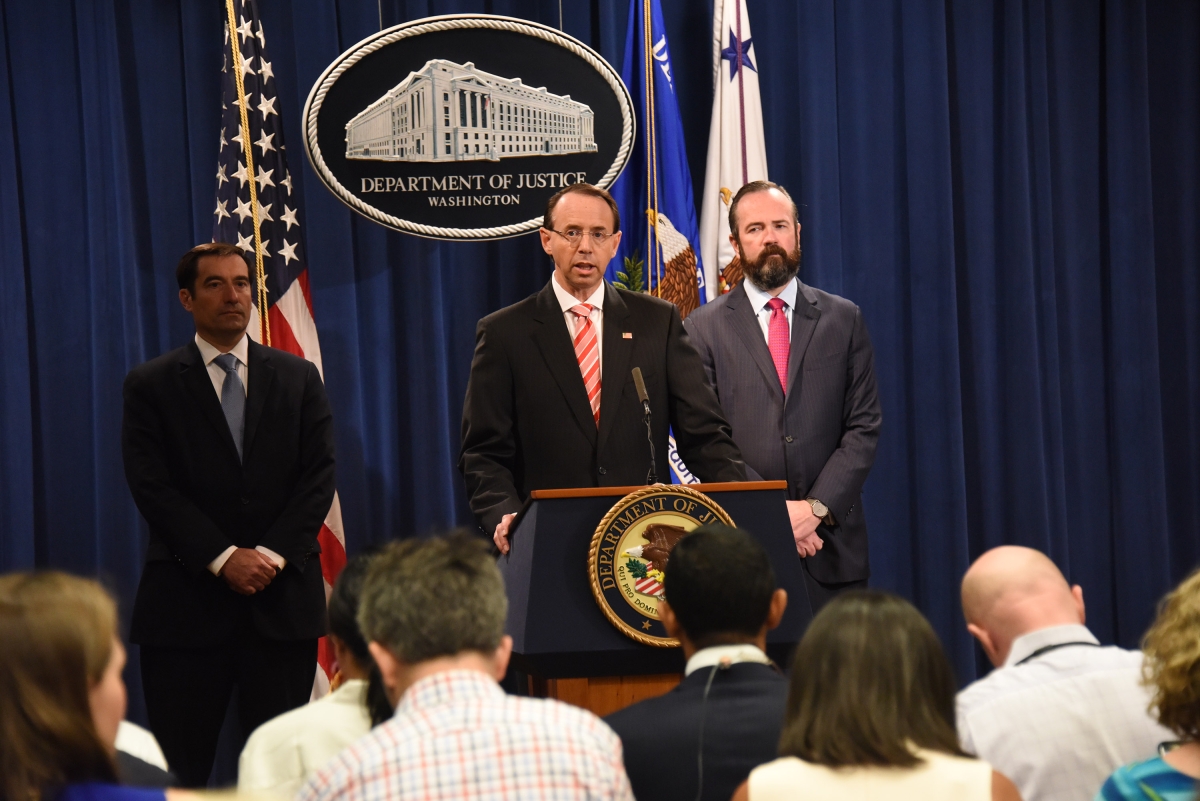
In September 2024, the Justice Department charged two RT employees with secretly financing and directing a Tennessee content company through nearly $10 million in payments. Prosecutors alleged that the company distributed political material while concealing its Russian backing. 52
The indictment described a fictitious investor used to deceive two American commentators about the source of the money. The alleged deception was central to the operation: Russian financing was made to look like something else. 53
That month, the department also announced the seizure of 32 domains tied to Doppelganger. Its case described Kremlin-directed organizations cloning news sites, inventing American identities and buying advertising to influence voters and weaken support for Ukraine. 54
By September 2026, NewsGuard had identified 906 false reports impersonating 163 media outlets in 21 countries across three Russian operations since 2023. Its tally shows the scale of the material researchers had collected. 48
The copied logo gets a lie through the door. A familiar commentator gives it a recognizable voice. Repeated sharing makes it appear popular. At each stage, the audience is encouraged to trust something whose origin has been concealed.
The damage extends beyond persuading someone that a particular falsehood is true. Journalists spend time untangling fabrications. Candidates are forced to answer invented allegations. Readers grow tired of sorting through the mess. That exhaustion is useful to anyone who wants real reporting dismissed as just another version of events.
Concealed funding and impersonation are the central issues. They let foreign operators enter an American political argument under a false name and make their intervention look home-grown.
THE 2026 MIDTERMS
The midterm smear campaign is already running.
The next round is already under way. Researchers have documented fabricated reports targeting midterm candidates, while platforms have removed networks accused of amplifying political material. Russia-linked operators are using familiar techniques against a fresh set of targets.
Fabricated reports aimed at named midterm candidatesSEPTEMBER 21, 2026
Graphika traced false videos on X on September 10–14 attacking Democrats including James Talarico, Jon Ossoff, Sherrod Brown and Mary Peltola. They impersonated outlets such as the BBC, CNN and Politico, and reused celebrity footage. Another false story accused Democrats of inventing Russian interference. Graphika attributed the campaign with high confidence to Russia-aligned Operation Overload. 44
The identified accounts were subsequently suspended. 44
Bots used to manufacture apparent popularityOCTOBER 16, 2026
Bloomberg reported that Russian operators used bots to inflate views of fake videos attacking Democratic candidates. The clips, appearing from early September, included AI-generated depictions of Robert De Niro, Julia Roberts and Cher. Researchers linked them to Matryoshka, also known as Operation Overload. 45
The inflated counts made the smears look more popular than genuine viewing alone would suggest.
X removes more than 13,000 accounts across three suspected operationsOCTOBER 14 ACTION · REPORTED OCTOBER 16
X said it had suspended more than 13,000 accounts associated with suspected influence operations linked to China, Russia and Iran. VOA reported that the networks amplified political material attacking candidates and public figures across the political spectrum. 46
That total covers all three countries. X supplied neither a country breakdown nor the evidence behind its attribution. 46
These operations can make a smear look reported and widely believed before a candidate has even answered it. Investigators can trace the fabricated material and the accounts distributing it. They cannot turn those findings into a reliable count of votes changed.
Inflated view counts are part of the trick. They make an artificial campaign look like a spontaneous public reaction, increasing the chance that real users will repeat its claims.
Ukraine has a stake in that American information war. Candidates who support it can be discredited. Aid can be portrayed as inherently corrupt. Public exhaustion can make abandoning an ally easier to sell.
One viral story about the operators themselves did not stand up. After Ukrainian strikes on Yandex infrastructure in October, posts claimed that MAGA, AfD and Reform UK bots had gone quiet. Graphika found no corresponding collapse among the communities it examined. The widely shared traffic chart measured web crawlers, largely Yandex’s search indexing, rather than social-media accounts. 47
Graphika’s recent data was incomplete, but it did not support the dramatic claim of a mass political-bot shutdown. 47
The documented operations are serious enough without that story. Fabricated news is already being aimed at named candidates as Americans prepare to vote.
THE AMERICAN RESPONSE
Trump dismantled a watchdog. The threat stayed.
Trump’s administration dismantled a specialist unit built to confront foreign influence. In a February 5, 2025, memorandum, Pam Bondi ordered the FBI’s Foreign Influence Task Force disbanded and narrowed the use of criminal foreign-agent charges towards conduct resembling traditional espionage. She invoked the administration’s campaign against supposed weaponization and prosecutorial abuse. 50
Disbanding a task force does not abolish the threat it was created to investigate. The question is who now does that work, with what staff and authority.
Some work plainly continues. On October 16, 2026, the FBI and CISA warned election and campaign officials about phishing, deceptive texts and synthetic impersonation, including attacks through commercial messaging services. 49
A June advisory was more specific about Russia. It described Russian intelligence targeting messaging accounts belonging to officials, military personnel, political figures and others, including people connected to Ukraine. The attackers were compromising accounts rather than defeating the services’ underlying encryption. 65
Congress should establish what was lost when the task force went and whether its replacement arrangements can handle the threat. Platforms should preserve evidence and explain their takedowns. Researchers need access to the information that lets them expose these campaigns.
An administration that asks the public to distrust the investigators owes a particularly clear account of how it is protecting the election. Bondi’s memorandum announced what she was shutting down. Americans deserve to know what has taken its place.
THE PRICE OF THE DEAL
What is Putin giving up?
Russian hardliners have noticed the opening. Reuters reported on October 19 that they welcomed the Trump–Zelensky rift, even while worrying about Trump’s unpredictability, continuing sanctions and Ukraine’s capacity to strike Russian infrastructure. 33
They can see an American president relieving pressure on Moscow and berating Kyiv. Washington needs to explain what it expects to gain—and show the results.
- 01
Ukraine in the room
Will Kyiv help negotiate the terms, or be handed a deal and blamed for rejecting it?
- 02
A price for Russian relief
What must Moscow deliver, and what happens if it does not?
- 03
Reliable support
Who authorized any restrictions, what failed, and which services can Ukraine now count on?
- 04
An answer on Iran
How do Trump’s reassurances fit his own administration’s findings about assistance to Tehran?
- 05
Protection for the midterms
Who is investigating foreign influence after Bondi disbanded the FBI task force, and do they have the resources?
- 06
Results, not promises
What has this policy secured for Ukraine and the United States that justifies the concessions to Putin?
A peace that Ukrainians can live with would be an enormous achievement. A settlement they are pressured to accept while Russia keeps the means and incentive to attack again would leave them dangerously exposed.
Trump wants credit for ending the war. Putin wants concessions. Ukrainians need security. Those interests do not align simply because the American president announces that he has a deal.
For now, the concessions to Moscow are visible. The return remains harder to find. Until Trump can show what Putin has surrendered, his attacks on Zelensky sound less like the impatience of a successful mediator than a president blaming the victim for spoiling his bargain.