A president impeached for incitement of insurrection. A Senate majority voting guilty. Follow the evidence presented and the decision that left Trump acquitted.Related passages: The second impeachment →︎
The charge connected Trump’s false election claims, pressure on officials and January 6 speech with the violent effort to stop the electoral count. It also cited his call to Georgia’s secretary of state, Brad Raffensperger.Related passages: Raffensperger and Georgia →︎
Brad Raffensperger was Georgia’s Republican secretary of state, responsible for overseeing the state’s elections and certifying its statewide results. A statewide hand audit and a subsequent machine recount had confirmed Biden’s victory.Related passages: Republican officials hid or ignored the evidence →︎
On January 2, 2021, Trump asked him to “find 11,780 votes” — one more than Biden’s winning margin. Raffensperger rejected Trump’s claims of a stolen election and did not change the result. The House’s impeachment article expressly cited this call, saying Trump urged him to overturn Georgia’s result and threatened him if he failed to do so.
In 2022, after the impeachment trial, the January 6 committee documented a parallel effort involving Trump and his allies: organizing purported Trump electors in seven states Biden had won, including Georgia. On December 14, 2020, those groups signed electoral certificates despite lacking state recognition as the duly appointed electors. Pennsylvania and New Mexico’s certificates included conditional wording.
The committee traced how these competing slates became part of the pressure on Vice President Pence to reject or delay counting Biden’s electoral votes on January 6. Raffensperger’s refusal to change Georgia’s result and the attempt to substitute electors were distinct parts of the effort to overturn the election.
H.Res. 24 explicitly names the Georgia call, but does not spell out the fake-elector scheme. This account draws on the committee’s 2022 findings, after the impeachment trial.
Start with the election challenges, the December 18 meeting and the attack timeline already documented on this site.Related passages: The December 18 meeting →︎
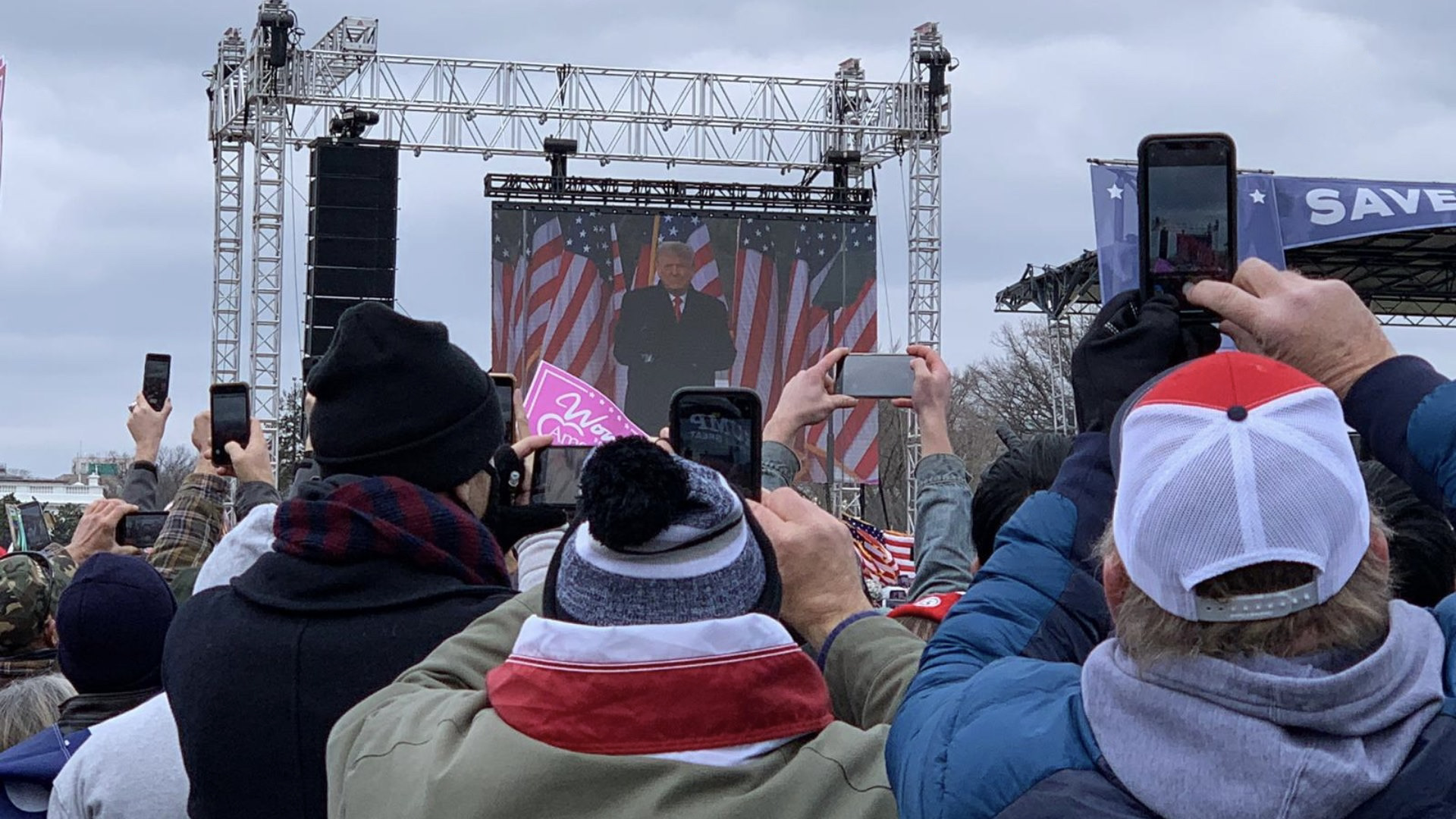
H.Res. 24 charges incitement of insurrection, linking the January 6 speech to the preceding campaign against the election result.Related passages: The second impeachment →︎
The parties agreed to admit Jaime Herrera Beutler’s account of what McCarthy told her about his call with Trump during the attack. This was an attributed account admitted by stipulation, rather than live testimony from McCarthy.Related passages: McCarthy’s call became a disputed account of Trump’s response →︎
Trump’s lawyers disputed incitement, invoked free-speech protection and challenged the Senate’s authority to try a former president. The closing arguments and replies remain available in the trial record.
The original PBS broadcast preserves the opening presentations and debate over the Senate’s authority. It is an archived recording, despite “WATCH LIVE” remaining in the publisher’s title.
Some trial exhibits show violence at the Capitol. The full recording preserves the sequence and context in which senators saw them.
Seven Republicans joined all 50 Democrats and independents in voting guilty. With all 100 senators voting, conviction required 67 votes. The result fell ten short.
After voting to acquit, Mitch McConnell said Trump was responsible for provoking the attack. He based his vote on his view that the Senate lacked jurisdiction over a former president.